
Applications / Environments — Fit Testing
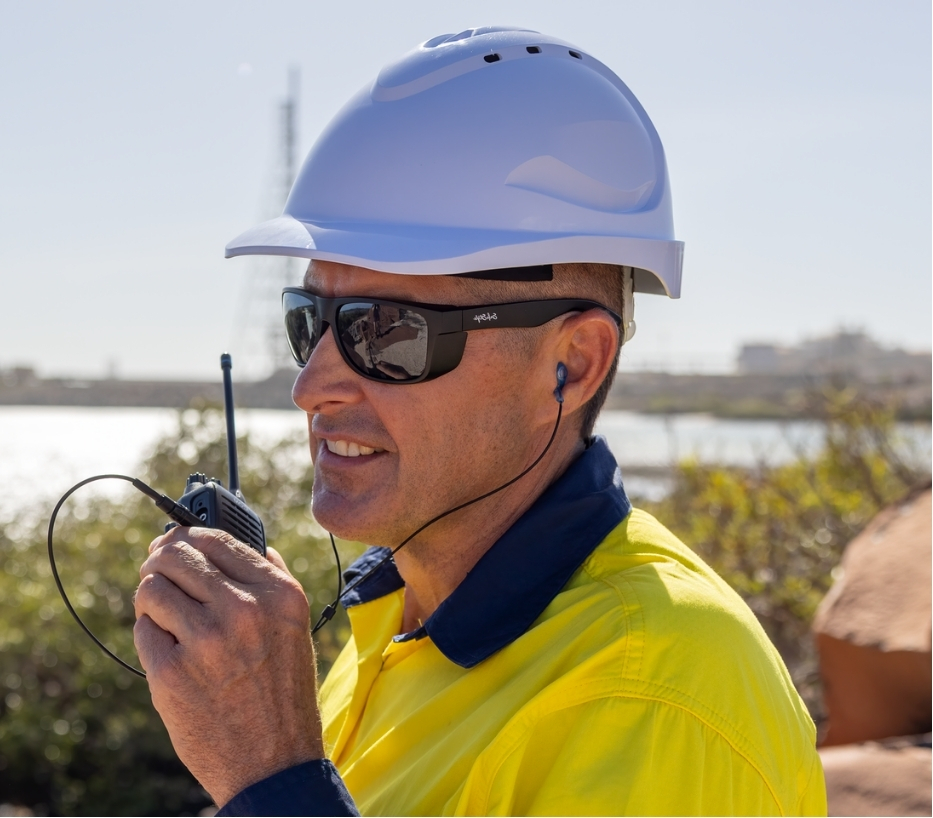
Hearing protection that fits
on paper is not the same as
hearing protection
that works on site
Fit testing verifies the protection your workers are actually receiving, not the protection the packaging claims. It is the difference between assumed compliance and documented compliance.
2–5
min per person
Non-invasive. Individual record.
The Problem
The problem with
assumed attenuation
Most hearing protection programs are built on a fundamental assumption: if the right product is issued, the right level of protection is being received.
That assumption is wrong more often than most safety programs account for.
Attenuation ratings are laboratory measurements. They describe performance under controlled conditions, with correct insertion, by trained testers. On site, the variables are different. Workers insert earplugs quickly, inconsistently, or incorrectly. Ear canal geometry varies significantly between individuals. The same product delivers different real-world protection to different people.
The result: a workforce that appears compliant on paper — with hearing protection records showing the right product issued — while individual workers are receiving meaningfully less protection than the program assumes.
This is the compliance and audit exposure that fit testing closes.
How It Works
What fit testing does
Measures actual protection per individual
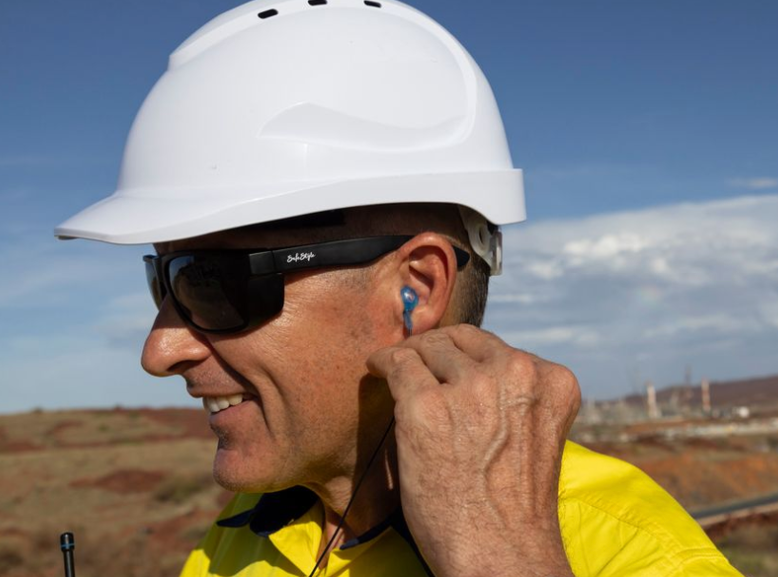
Fit testing measures the actual noise reduction being achieved for each individual worker, in real conditions, with the hearing protection they are using.
Produces a verified personal attenuation rating
It replaces the assumed attenuation figure with a verified personal attenuation rating (PAR). That figure is individual, documented, and defensible under audit.
Fast and non-invasive
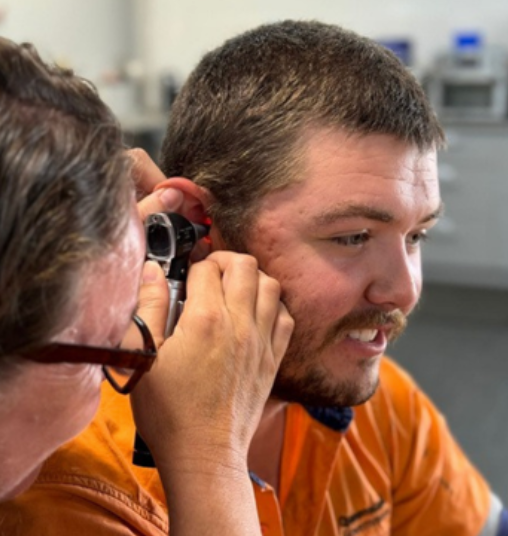
A standard test takes two to five minutes per person and can be conducted alongside other occupational health checks including audiometric testing and respiratory assessment.
Audit-ready documentation
Results are held on record under a company profile, accessible by authorised staff, with individual reports available for each employee. That documentation structure directly supports compliance monitoring and health and safety audit requirements under AS/NZS standards.
PAR
Verified rating
Individual
Per worker
Audit
Ready
Diagnostic
When fit testing
is the right step
Fit testing is relevant in each of the following situations. If any of these apply to your site, it is worth a conversation.
Worth noting
Fit testing is not a one-time exercise. As staff turn over, ear canals change, and protection products change, the need for verification continues.
Your hearing protection program has not been independently verified.
You are preparing for or responding to a health and safety audit.
Workers are experiencing noise-induced hearing threshold shifts despite wearing protection.
You are transitioning from disposable to custom or reusable hearing protection and need baseline verification.
Your environment has high attenuation requirements where standard product ratings carry meaningful compliance risk if assumed rather than verified.
You need individual employee records as part of a documented hearing conservation program.
Service Options
How Pacific Ears delivers fit testing
Pacific Ears offers fit testing as a managed service and as a self-managed capability for organisations with on-site clinical staff. Both options produce the same verified individual attenuation records and the same audit-ready documentation output.
Managed Service
Pacific Ears comes to your site and conducts the testing. Suited to large teams, multi-shift operations, or organisations without dedicated on-site occupational health staff. Results are documented and delivered under your company profile.
Large or distributed workforces
No in-house clinical staff required
Coordinated with shift schedules
Results held under your company profile
On-Site Kit
Pacific Ears is an authorised reseller of the UVEX XACT-Fit system, allowing organisations to bring fit testing in-house. Suited to operations with a nurse station, occupational health officer, or clinical staff who can be trained to run tests independently.
Nurse stations and OH officers
Ongoing in-house testing capability
Staff trained to run tests independently
Same audit-ready output as managed service
Key Applications
Where fit testing applies
Industrial manufacturing
Verify attenuation compliance across large workforces
Mining
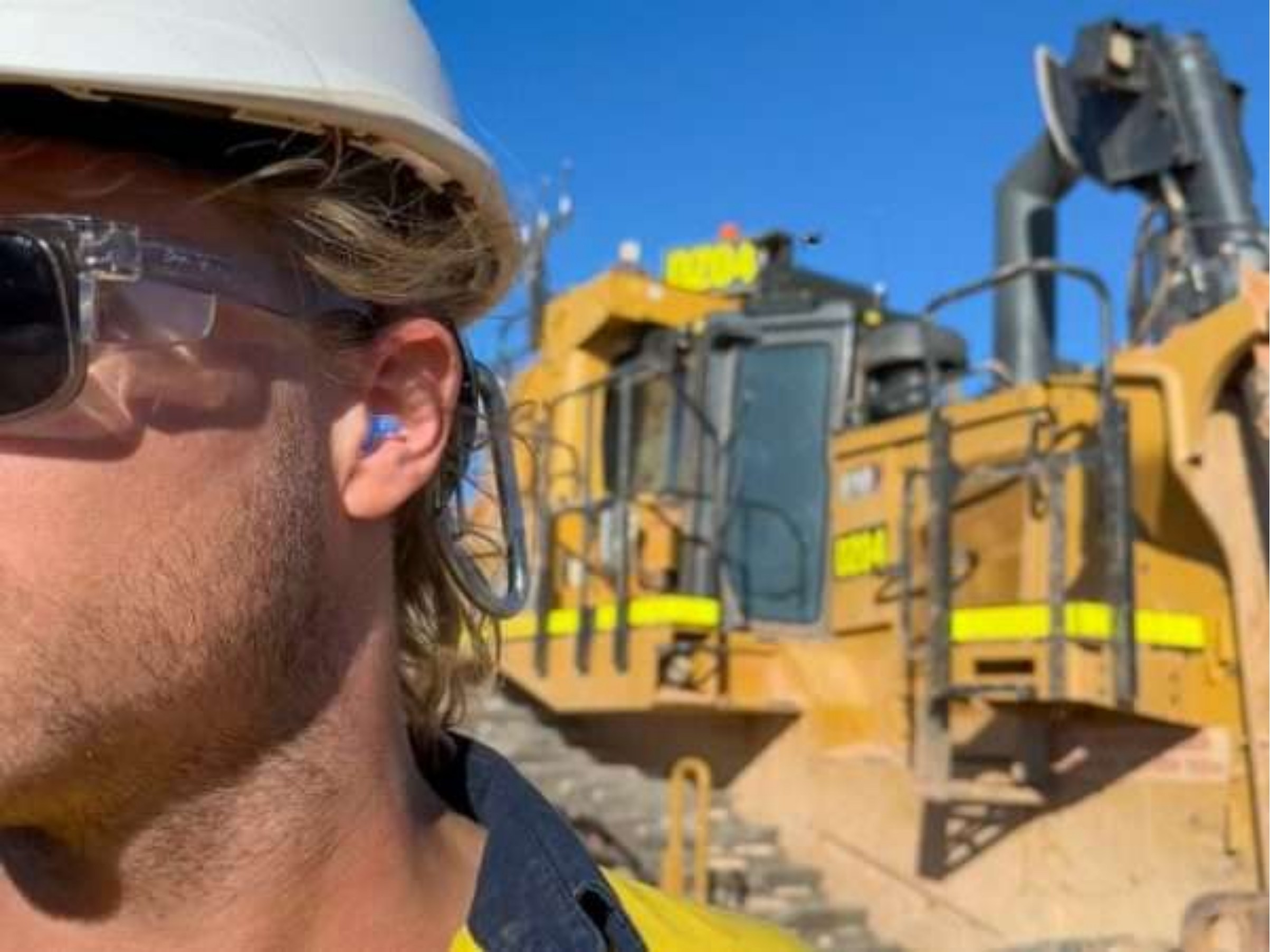
High-attenuation environments where assumed protection carries significant risk
Aviation
Ground crew hearing conservation programs with audit requirements
Utilities
Variable exposure profiles requiring individual verification
Emergency services and defence
Documented hearing conservation as operational requirement
Audiometric monitoring
Any environment where hearing threshold shifts have been identified
Implementation Stories
From the field
Verified fit testing outcomes coming here
Case studies and documented outcomes from fit testing engagements will be added once client examples are confirmed. This section is reserved for verified, real-world results.
Next Step
If your current program is built on product ratings rather than verified individual performance, fit testing is the right next step.
Contact Pacific Ears to discuss a managed site visit, or to find out whether the on-site kit is the right fit for your organisation.
Share your workplace context
for a practical recommendation.
Tell us about your noise environment, team structure, and communication needs so Pacific Ears can advise on a suitable pathway for assessment, fitting, and implementation.
Reviewed by the B2B team
Your details are reviewed before we respond, so the next step is relevant to your workplace.
AS/NZS 1270 context
Guidance can include tested hearing protection options and documentation relevant to Australian and New Zealand workplaces.
Site and rollout planning
Where appropriate, Pacific Ears can discuss fitting logistics, site coordination, and staged implementation.
"Pacific Ears helped us move from individual product decisions to a clearer workplace fitting and support process."
— Workplace Safety Team
Request a structured recommendation
This is not a general enquiry form. The information provided allows us to respond with a relevant and structured recommendation, rather than a generic answer.
Reviewed by Pacific Ears · Structured response · Your data is secure