
Resources / Case Studies
Documented outcomes from
real implementations.
Hearing conservation programs are judged by what happens on site, not by what the specification says. The case studies here document real implementations: the operational challenge, the solution, and the measurable outcome.
About this resource
Evidence from environments like yours.
Every hearing protection program starts with a problem. Workers removing protection to communicate. Compliance exposure identified under audit. A workforce transitioning from disposable to custom protection at scale. A communication-critical environment where standard protection had failed.
The case studies below document how Pacific Ears has worked through those problems with organisations across high-noise industries in Australia and New Zealand. Each case study covers the operational context, the solution implemented, and the outcome achieved.
They are published here because the most useful reference for a safety manager evaluating a hearing protection decision is documented evidence from an environment similar to their own — not a product specification.
Consistent structure
Each case study covers the same five dimensions.
Consistent structure across all entries so visitors can scan and compare quickly.
Four case studies in development
In Development
Suggested focus
Industrial Manufacturing / Mining
Pending Ferry input

Suggested focus
Aviation / Emergency Services / Defence
Pending Ferry input
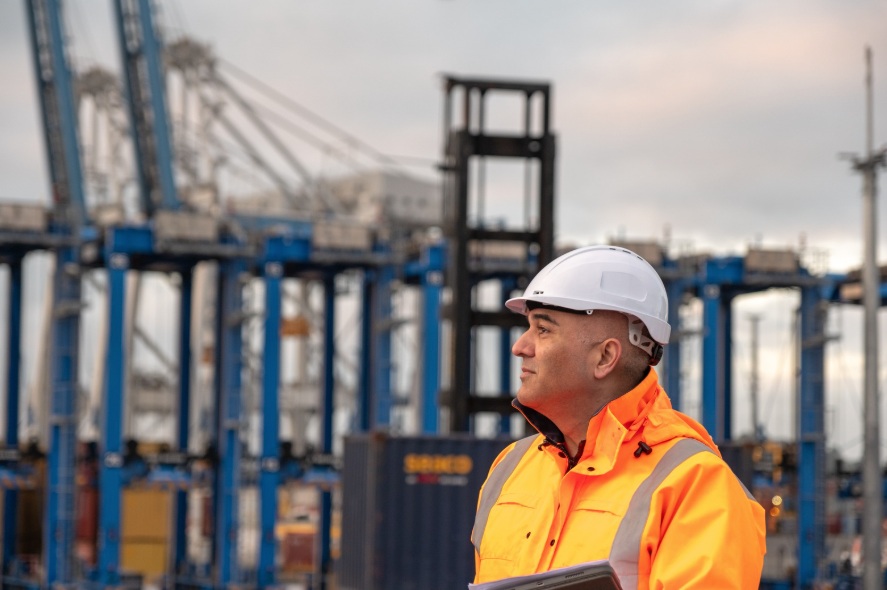
Suggested focus
Hearing Conservation Program Review / Audit
Pending Ferry input
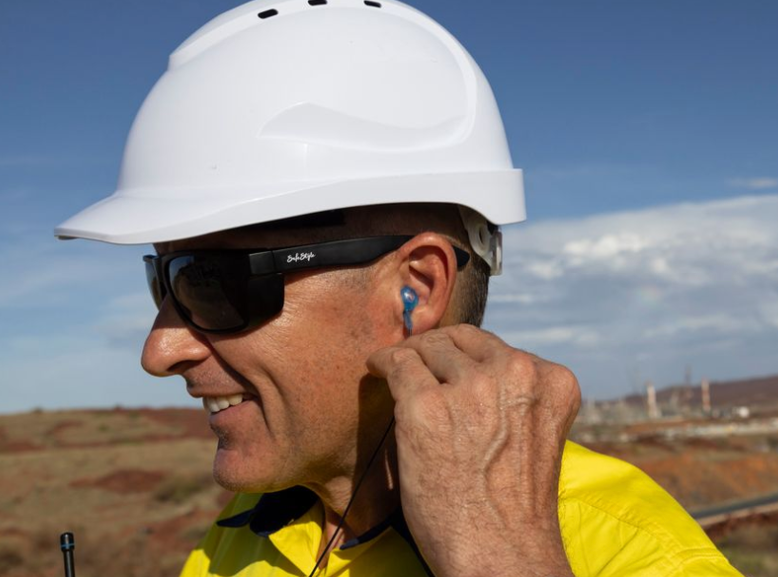
Suggested focus
Disposable to Custom Transition at Scale
Pending Ferry input
In Development
While case studies are
being prepared.
Pacific Ears works across a wide range of high-noise industries and environments in Australia and New Zealand. The documented outcomes from those engagements are being prepared for publication here.
Case studies are published when the implementation is complete, outcomes are documented, and client approval for publication is confirmed. That process takes time to do correctly. The alternative is publishing generalised claims without documented evidence. That is not how Pacific Ears operates.
If you are at the stage of evaluating Pacific Ears and need reference outcomes specific to your industry or environment before these are published, contact us directly. We can discuss relevant implementation experience matched to your site profile.
Contact Pacific Ears for Reference Outcomes
Evaluation criteria
What to look for in a case study.
Not all case studies are equal. When evaluating documented outcomes from any hearing protection provider, the details that matter most.
Specificity of the challenge
A case study that describes a vague "hearing protection problem" tells you less than one that describes a specific workforce, environment, and operational gap. The more specific the challenge, the more useful the outcome.
Measurability of the outcome
Outcomes expressed as "improved compliance" or "better protection" are not documented outcomes. Measurable outcomes include fit test results before and after, audiometric threshold shift data, audit findings, workforce size and rollout completion rate.
Comparability to your environment
The most useful case study for your decision is one from an industry and environment close to your own. Industry, workforce size, shift structure, noise profile, and communication requirements all affect how transferable an outcome is.
Implementation detail
A case study that describes the solution without describing the implementation process is incomplete. The how is as important as the what, particularly for large workforce rollouts or communication-critical environments.
Pacific Ears case studies are structured to cover all four of these dimensions. Outcomes are documented, not described in general terms.
Get in touch
Looking for documented outcomes from a specific industry or environment?
Contact Pacific Ears directly. We can discuss relevant implementation experience and connect you with the right reference point for your evaluation.
Share your workplace context
for a practical recommendation.
Tell us about your noise environment, team structure, and communication needs so Pacific Ears can advise on a suitable pathway for assessment, fitting, and implementation.
Reviewed by the B2B team
Your details are reviewed before we respond, so the next step is relevant to your workplace.
AS/NZS 1270 context
Guidance can include tested hearing protection options and documentation relevant to Australian and New Zealand workplaces.
Site and rollout planning
Where appropriate, Pacific Ears can discuss fitting logistics, site coordination, and staged implementation.
"Pacific Ears helped us move from individual product decisions to a clearer workplace fitting and support process."
— Workplace Safety Team
Request a structured recommendation
This is not a general enquiry form. The information provided allows us to respond with a relevant and structured recommendation, rather than a generic answer.
Reviewed by Pacific Ears · Structured response · Your data is secure